
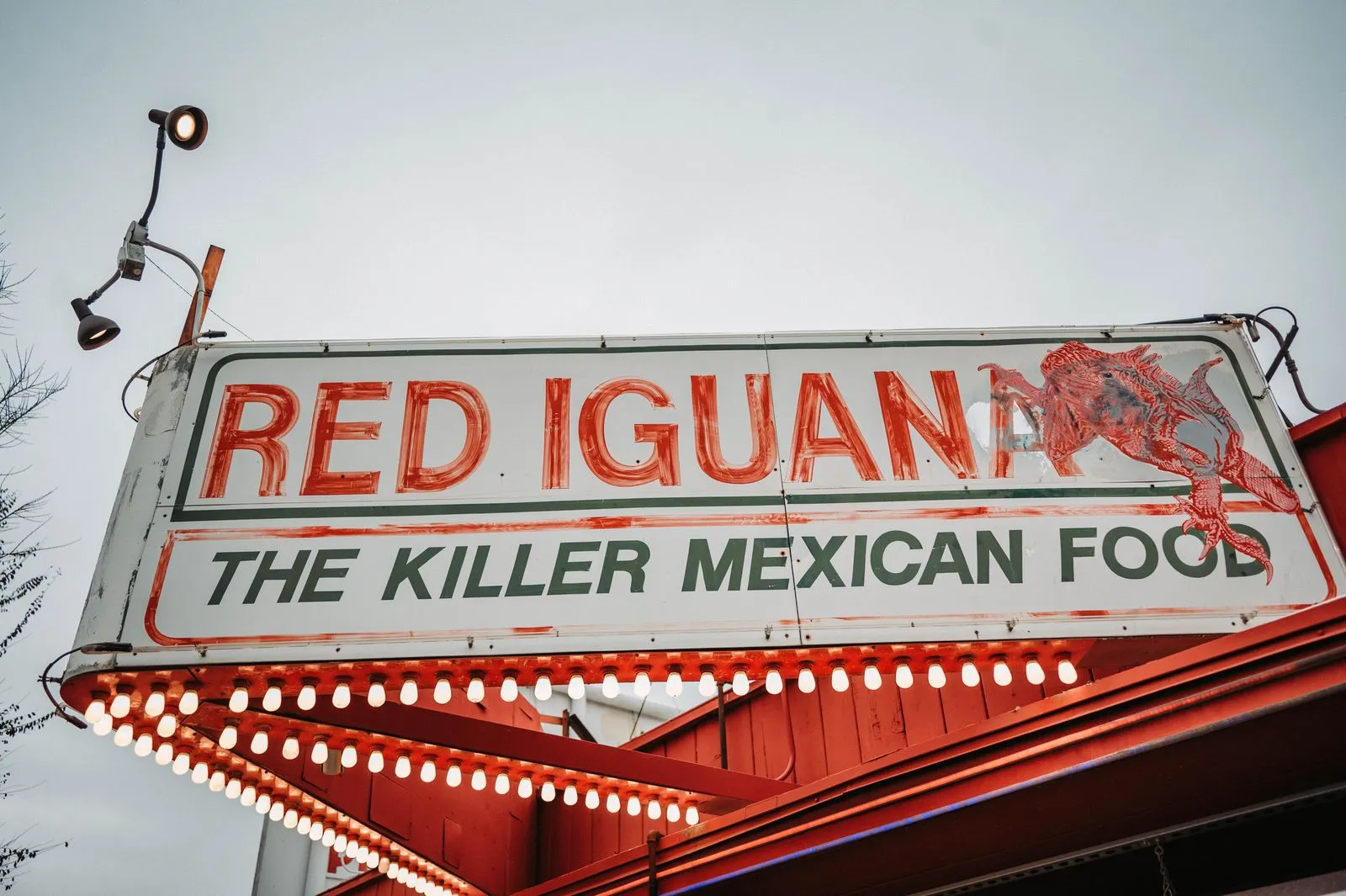
A useful restaurant branding brief does more than list colors or describe a logo you like. It explains what your restaurant is, who it serves, and what the brand needs to help you achieve. The clearer the information, the easier it is for a branding studio to make relevant recommendations, identify open questions, and plan the work. You do not need polished marketing language. Honest, specific answers give the project a stronger starting point.
Describe the restaurant concept
Explain the type of restaurant, the food and drinks you plan to serve, and how the experience should feel. Include details such as service style, opening hours if known, and whether the venue is dine-in, takeaway, delivery, or a mix. If the concept is still developing, say what is settled and what may change.
Share the reason behind the restaurant and what makes the idea distinctive. That might be a particular cooking approach, a regional influence, a family story, or a gap you see in the local dining scene. Avoid relying only on broad labels such as “modern” or “premium”; add examples that show what those words mean in your setting.
Define your audience and goals
Describe the people you most want to reach. Consider where they live or work, when they might visit, what they value when choosing a place to eat, and what could bring them back. You do not need formal research to be helpful. Your observations, customer conversations, and local knowledge can give the studio a practical starting point.
State what the brand should help accomplish. You may need to make a new venue recognizable, clarify what sets an established restaurant apart, attract a different kind of customer, or create a more consistent experience across locations. If you can, explain how you will recognize progress, such as clearer customer feedback or stronger consistency across menus and signage.
Share references and requirements
Include examples of brands, places, packaging, menus, or visual styles that appeal to you, and explain what you like about each one. Also share references that feel wrong for your restaurant. The reasons matter more than the examples: you might like a menu’s readability but not its colors, or admire a competitor’s presence while wanting a different personality.
List the materials the brand may need to appear on, such as menus, signs, takeaway packaging, uniforms, a website, or social media. Note practical requirements like existing equipment, accessibility needs, print specifications, languages, and any elements that must remain. This helps the studio create a system that works in real restaurant settings, not just in a presentation.
Set scope, timing, and approvals
Be clear about the work you are requesting, such as naming, visual identity, menu design, or brand guidelines. Mention what you already have and what you expect to receive at the end. If you are unsure which services you need, describe the problem and ask the studio to recommend a suitable scope rather than guessing at technical terms.
Provide your target opening or launch date, key milestones, budget range if available, and the people who will review and approve decisions. Identify who has final approval and how feedback will be collected. A realistic timeline and clear decision process help prevent avoidable delays and give the studio a better basis for planning.
A strong brief is clear, honest, and specific about both the restaurant and the work ahead. Gather your concept notes, audience insights, references, practical requirements, and project details in one place. You can share an early draft with Tablemark Studio and discuss what to clarify before the project begins.